HGV annual test at an ATF: what's different from a DVSA test station and how booking actually works
I booked our trailers at the nearest DVSA test station for years. Then an ATF opened 12 miles away. The flexibility difference is significant — here's how the two options compare.
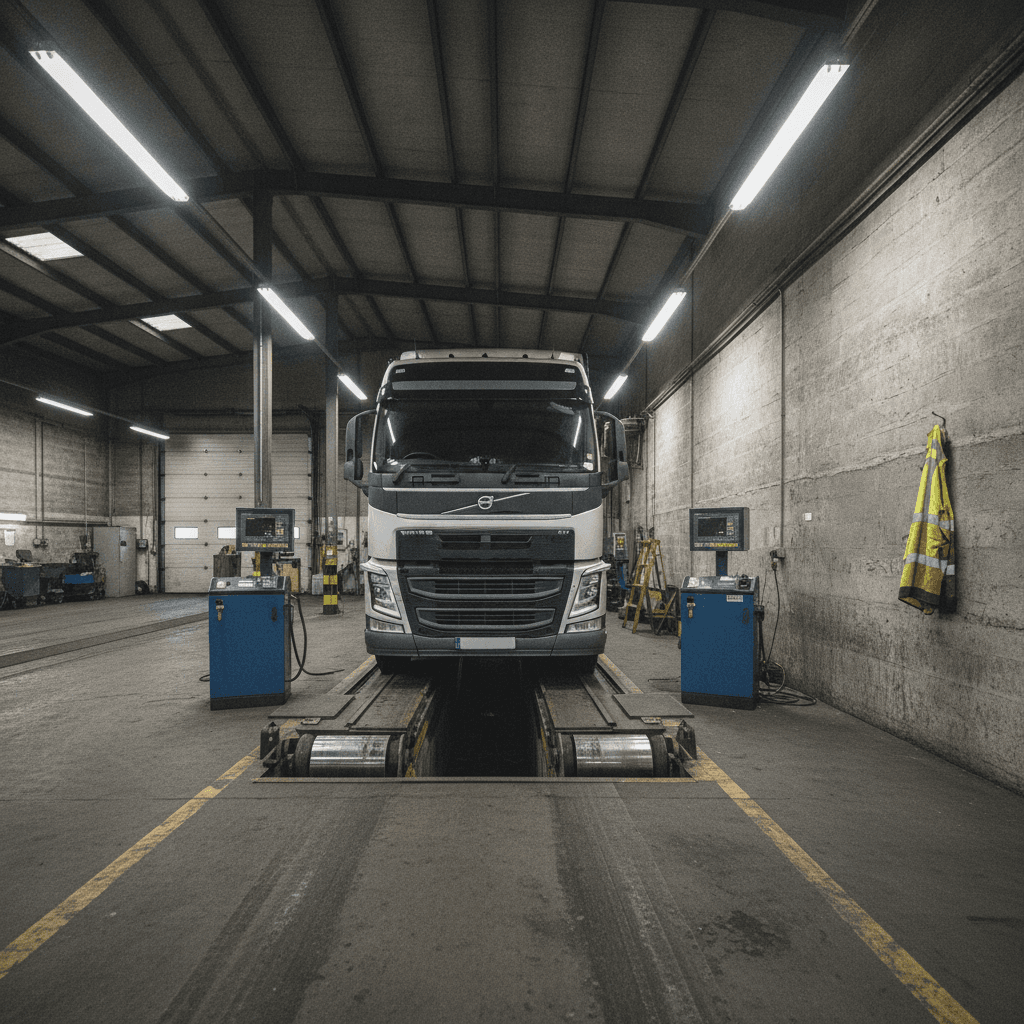
For the first decade I was running vehicles, I booked everything through DVSA's own test stations. That was the system and I didn't question it. Then a large commercial workshop near our depot became an Authorised Testing Facility and suddenly the booking process changed in ways I hadn't expected — mostly for the better, occasionally not.
If you're still booking all your HGV annual tests through DVSA's system without considering ATF options, it's worth understanding what the difference actually is. Because there is one, and it's not just about geography.
What an ATF is
An Authorised Testing Facility is a privately operated site — typically a commercial vehicle workshop, a fleet depot, or a specialist testing centre — that has been approved by DVSA to carry out annual tests. The test is conducted by a DVSA vehicle examiner who travels to the ATF site, but the facility itself is run and maintained by the ATF operator.
DVSA approves ATFs against a specification. The site needs the right pit configuration or ramp access, roller brake test equipment of the required standard, headlight aim testing equipment, and enough space to safely manoeuvre HGVs and trailers during the test. The ATF pays DVSA for the examiner's time and covers the cost of maintaining the equipment to DVSA's specification.
The pass/fail criteria at an ATF are identical to those at a DVSA-operated test station. The same examiner procedures, the same defect coding, the same paperwork. The test itself is not different. What differs is the booking process, the scheduling flexibility, and sometimes the available slots.
How booking works at an ATF
You don't book directly with the ATF for the DVSA test element. Or rather — you do book with the ATF, but the ATF books the DVSA examiner's slot through DVSA's booking system on your behalf. The ATF manages the schedule, confirms your booking, and coordinates the examiner attendance.
This creates a different dynamic from booking directly through the DVSA online booking service. ATFs often have more flexibility in scheduling — they can offer early morning slots, Saturday appointments at some sites, and sometimes same-week bookings for vehicles that have come off the road unexpectedly and need a test arranged quickly.
DVSA's own test stations operate on fixed hours and their booking pipeline can run weeks out in busy periods. If you've got a trailer that failed its test and needs a retest before it goes back on the road, the difference between a DVSA test station with a three-week wait and an ATF with a slot on Thursday can matter enormously for your operations.
The cost structure
The cost of an annual test at an ATF has two components: the DVSA fee and the ATF's own charge. The DVSA fee — which covers the examiner's time — is set by DVSA and is non-negotiable. For a rigid goods vehicle at the lighter end of the HGV spectrum it's around £42, rising through the weight bands for heavier vehicles and trailers. DVSA publishes its fee schedule, so you can look up your vehicle class.
On top of that, the ATF charges its own fee for using the facility. That's variable — ATFs set their own charges, and they range considerably. Some ATFs price competitively to attract fleet business. Others, particularly those with genuinely scarce slots in areas where ATF coverage is limited, price at a premium. When comparing total test cost, get the all-in price: DVSA fee plus ATF fee.
At DVSA-operated test stations you pay the DVSA fee only — there's no facility surcharge. But the trade-off is the scheduling rigidity I mentioned. The cheaper headline cost sometimes means a three-week wait that costs you more in VOR time than the facility fee would have.
Finding an ATF near you
DVSA operates a postcode search tool for finding ATFs — search "DVSA find an authorised testing facility" on gov.uk and it'll come up. You can filter by test type (goods vehicle, trailer, PSV). The results show the site name, address, and the test types available there.
ATF coverage is good in most urban areas now. Rural operators in some parts of Scotland, Wales and the more remote parts of England sometimes have limited ATF options and are genuinely better served by DVSA's own stations.
Some ATFs are attached to large fleet depots and prioritise their own fleet's test bookings. They'll take external bookings but their own fleet always fills the primary slots. Ask about this when you enquire — if the ATF's available slots for external operators are only the ones left over after their own fleet, you might not get the flexibility you expected.
Retests after failure
A vehicle that fails its annual test can have a free partial retest within a specified window if the defects identified were minor and are fixed quickly. The window and the conditions depend on whether the retest happens at the same site or at a different one. The precise rules for the retest entitlement are set by DVSA and apply equally to ATFs and DVSA test stations.
What varies between ATFs is how quickly you can get the retest slot. A large ATF with frequent examiner visits may be able to slot you in for a retest within days. A smaller ATF with one examiner visit per week may push you to the following week even if your vehicle is ready the next morning.
When you're choosing an ATF for regular fleet testing, ask about their typical retest turnaround. Not the theoretical turnaround — ask what happened for their last three retest bookings. The answer tells you more than any marketing claim about flexibility.
What the test actually covers
Whether you're at an ATF or a DVSA station, the examiner is working through the same test procedure. For an HGV, that covers brakes (roller brake test at different laden weights for each axle), steering, tyres, lighting, bodywork and structure, emissions, documentation (the VIN plate, the plating certificate), and a raft of construction and use items.
Trailers get their own examination procedure — brakes, structure, coupling equipment, lights, tyres. Refrigerated trailers have additional requirements around the refrigeration unit, the temperature recording equipment, and the integrity of the insulated body.
Preparing vehicles for annual test isn't the job of the test station or the ATF. That's your workshop's job. The examiner's job is to find the defects that exist. If your PMI programme is working, annual test should confirm it. If test results are consistently worse than your PMI records suggest, there's a gap in your maintenance process — either the PMI is missing things, or the maintenance actions recorded as done aren't being done properly.
One practical note on timing
Book your annual tests at least six weeks before the certificate expires. Not because you need six weeks to prepare the vehicle — because popular ATF slots and DVSA station appointments fill up, and a vehicle operating on an expired goods vehicle test certificate is a prohibition waiting to happen.
DVSA examiners check test certificate expiry at roadside stops. An expired certificate isn't a minor issue — it's a reason to issue an immediate prohibition on using the vehicle on the road. The OCRS impact of a test-certificate prohibition is significant. And explaining to the TC why you were running vehicles with expired test certificates is not a comfortable conversation.
Six weeks out is comfortable. Four weeks is fine. Two weeks and you're relying on slot availability. Book it now if you're uncertain when yours expire — pull the certificates and check the dates today, not when the renewal reminder eventually appears.