HGV road user levy: the 2026 rates, payment options and what a lapsed disc actually costs
I missed a levy renewal on a Volvo FH13 in 2024. Caught it myself at 3am checking paperwork before a Monday run. Here's what the levy actually costs per weight band, and how to stop the lapse happening.
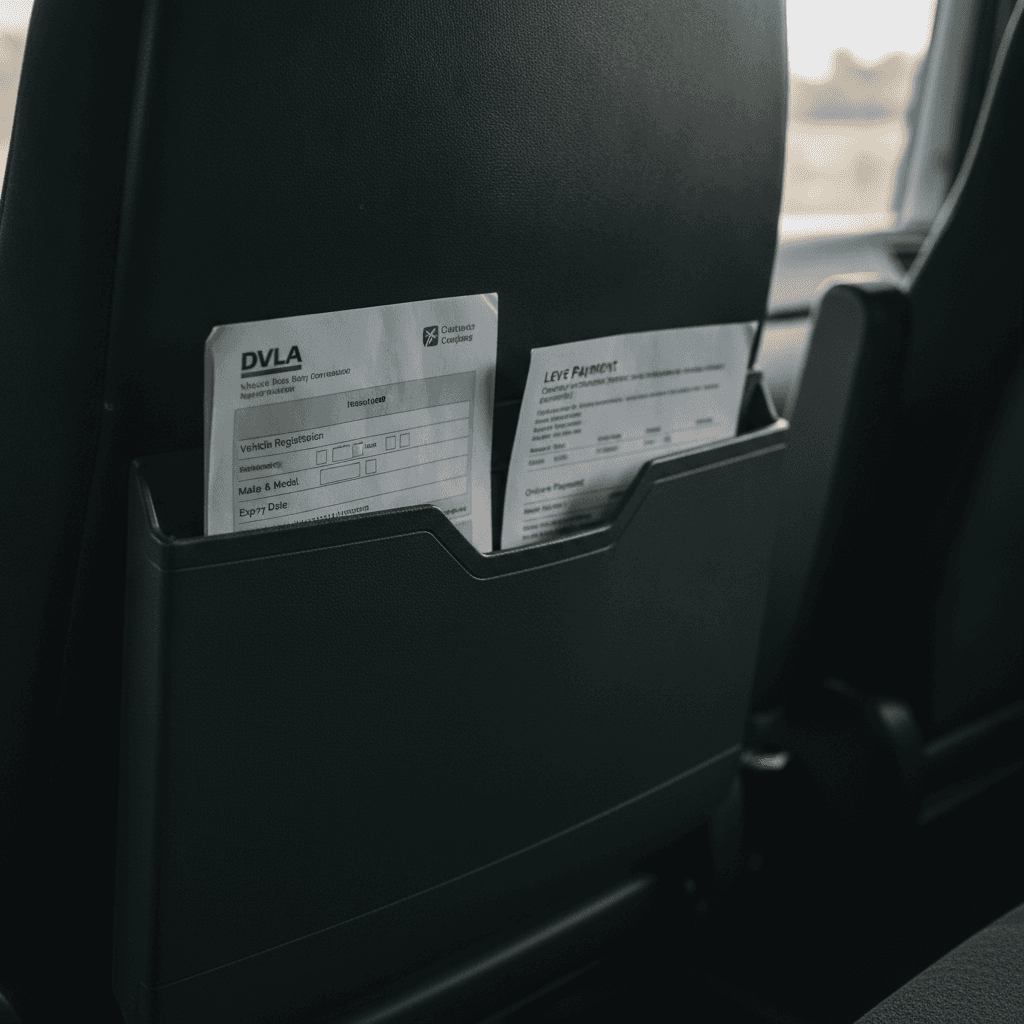
The levy that slips under the radar
Every transport manager I know has a mental checklist of the big compliance dates — tachograph calibration cycles, six-week PMI schedules, O-licence continuation fees. The HGV road user levy doesn't always make that list. It should. It's a separate payment obligation on top of vehicle excise duty, it runs on its own renewal cycle, and the penalty for lapsing it isn't a slap on the wrist.
The HGV Road User Levy Act 2013 introduced a charging framework for heavy goods vehicles using UK roads. For UK-registered operators, that means paying the levy when a vehicle is first registered and renewing it whenever the levy period expires. It's not collected at the same time as road tax (VED), even though both relate to using the vehicle on the road. Two separate systems. Two separate renewal dates. Two separate ways to get caught out.
Which vehicles must pay
The levy applies to heavy goods vehicles with a maximum authorised mass exceeding 12,000kg. If your fleet is entirely sub-12-tonne, you're not in scope. Most mixed fleets — anything running 18-tonners, 26-tonners, artics — will have vehicles that need the levy paid for every year they're in use.
UK-registered vehicles pay the levy as part of the vehicle licensing process. For DVLA purposes, it's collected alongside VED. But the renewal dates don't always align, and the levy period can run independently. That's where operators run into trouble — they've renewed road tax on time but the levy period has lapsed, or vice versa.
What the levy costs: 2026 rates
Rates effective from 1 April 2026 vary by vehicle weight band and Euro emissions standard. There are three weight bands for goods vehicles and a distinction between Euro 6 and non-Euro 6 vehicles.
Euro 6 compliant vehicles:
- Band A (12,000–31,000kg): £161 per year, or £3.22 per day
- Band B (31,001–38,000kg): £387 per year, or £7.74 per day
- Band C (over 38,000kg): £619 per year, or £9.67 per day
Non-Euro 6 vehicles:
- Band A: £209 per year, or £4.18 per day
- Band B: £503 per year, or £10.06 per day
- Band C: £804 per year, or £10.74 per day
The levy can be paid annually, half-yearly, monthly, weekly or daily. Most operators with UK-registered vehicles pay annually. The daily rate is primarily aimed at foreign operators using UK roads who aren't registered here — it gives them a legal short-term option. But there's nothing stopping a UK operator using shorter periods if cash flow makes that preferable.
What Euro standard are your vehicles?
The rate split between Euro 6 and non-Euro 6 matters more than it might look at first glance. Euro 6 engines on HGVs became mandatory for new vehicles sold in the EU from 2014. If your fleet skews older — pre-2014 trucks, or vehicles that haven't been retrofitted — you'll be on the higher non-Euro 6 rates. For a Band C vehicle (an artic over 38 tonnes), that's £185 a year more than a Euro 6 equivalent.
The Euro standard for levy purposes comes from the vehicle type approval. If you're unsure which band your vehicles fall into, the DVLA records will show the engine standard when the vehicle was registered. Your O-licence dossier should also have this documented if you've been keeping records of vehicle specifications against the operating centre.
What a lapsed levy actually looks like
The enforcement mechanism is automated detection — cameras at ports, ANPR on roadsides, roadside checks where DVSA examiners verify levy status alongside everything else. DVSA can check levy payment status in real time, the same way they'd check road tax or MoT.
A vehicle found on the road with a lapsed levy is an immediate enforcement matter. Fixed penalties apply. The vehicle can be detained until the levy is paid. More significantly for operator licensing, a DVSA prohibition on the vehicle for unlicensed road use goes on your OCRS record and can prompt Traffic Commissioner scrutiny, particularly if it's not the first compliance lapse across your fleet.
I caught my own lapse before anyone else did. Checked the fleet spreadsheet at 3am before a Monday morning start and noticed the levy renewal date on one vehicle had passed the previous Friday. Paid the daily rate online, printed the confirmation, briefed the driver by 7am. Could have gone differently if I'd found out from an ANPR camera at Dartford instead.
Payment and record-keeping
UK operators pay through the DVLA. The process is linked to vehicle excise duty licensing. When you tax a vehicle that's subject to the levy, the DVLA system calculates the levy due alongside the VED and collects it together. The confirmation document serves as your levy payment record.
Keep payment confirmations in your compliance dossier alongside the other vehicle documents. If a DVSA officer asks for proof of levy payment during a roadside check or an operator compliance visit, you should be able to produce it. A gap in the records is almost as bad as a gap in the payment.
Multi-vehicle fleet management
With a large fleet, the renewal dates stack up. Some operators tax all their vehicles in the same month to consolidate the admin — it works, but it means a significant cash outlay in that month. Others spread renewals across the year to smooth the cost, accepting that there's more diary management involved.
Whatever system you use, build a levy calendar alongside your VED renewals. The two don't always align — if you've SORN'd a vehicle and then brought it back on the road, for instance, the levy may need to be restarted independently. And if you're adding vehicles to your fleet mid-year, the levy starts from registration, not from a calendar anchor point.
I maintain a spreadsheet with each vehicle's registration, weight band, Euro standard, VED renewal date and levy renewal date. Four columns. Takes five minutes to update when a vehicle is added or transferred. Saved me once and I'll keep it running.
Foreign operators visiting the UK
For completeness: non-UK operators using UK roads must pay the levy too, typically at the daily or weekly rate. This is primarily relevant if you have visiting subcontractors with foreign-registered vehicles operating under your O-licence direction — they're not your vehicles, but knowing the system means you can verify compliance if a DVSA examiner at your gate asks questions.
The broader compliance picture
The levy isn't the largest item in your compliance budget — at £161 to £804 per vehicle per year depending on weight and emissions class, it's manageable. What it represents, though, is a relatively simple administrative obligation that generates disproportionate enforcement consequences when it lapses. A PG9-level situation — a vehicle detained at the roadside — for a £3.22 daily oversight is exactly the kind of thing you don't want appearing in your OCRS record.
Add it to the compliance calendar. Check it when you add vehicles to the fleet. Check it when vehicles come out of SORN. And if you haven't audited your current fleet's levy position recently, run the check now — the DVLA vehicle enquiry service shows current tax status, which reflects levy payment for UK-registered vehicles in scope.